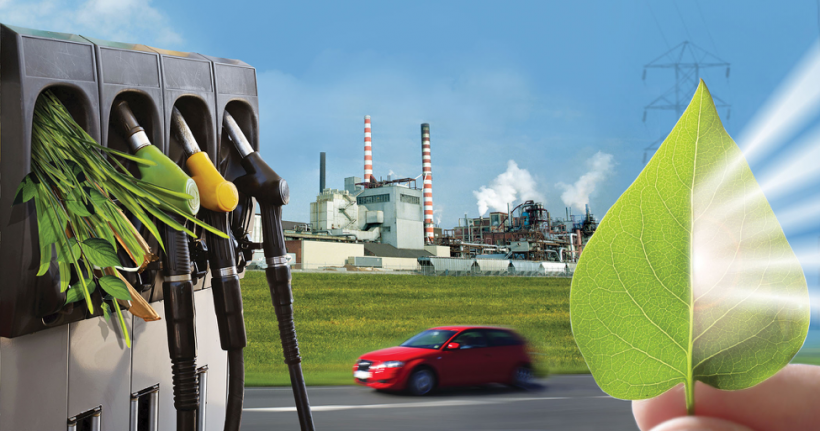
Biomass bridges sustainability and power generation for a greener future.
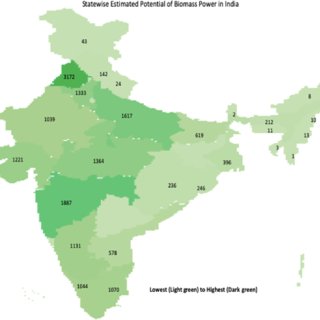
Biomass energy, a versatile and renewable source, harnesses the energy stored in organic materials such as wood, agricultural residues, and waste to generate power. This form of energy production involves the combustion or conversion of biomass into biofuels, including solid biomass, biogas, and liquid biofuels, presenting a sustainable alternative to traditional fossil fuels.
One major advantage of biomass energy is its ability to utilize organic waste that would otherwise cause environmental pollution. Converting agricultural residues and forestry by-products into energy reduces waste while generating useful power. The carbon dioxide released during biomass combustion is part of the natural carbon cycle, making it more sustainable than fossil fuels.
Bioenergy supports heating, electricity generation, and transportation fuels such as ethanol and biodiesel. Biomass plants integrate with existing energy infrastructure and diversify the fuel mix while lowering greenhouse gas emissions.
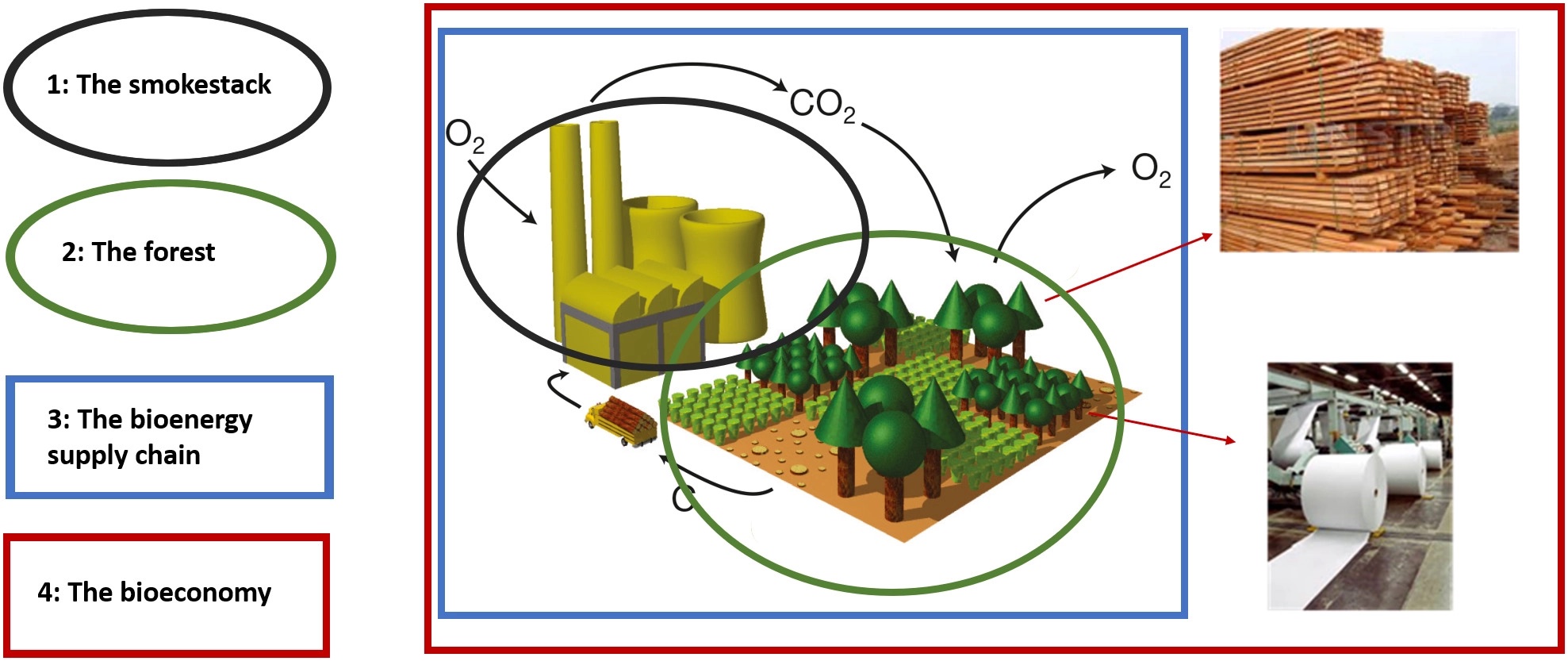
Biomass energy also benefits rural economies by creating jobs in agriculture, forestry, and waste management. Community-scale biogas systems provide decentralized and reliable energy for local populations.
However, sustainable sourcing is critical. Unsustainable biomass harvesting can cause deforestation or compete with food production. Technological improvements and responsible policies are essential to maximize efficiency while minimizing environmental impact.
In conclusion, biomass energy is a key component of the renewable energy transition. With continued innovation and sustainable practices, it can play a major role in building a cleaner and more resilient global energy future.