Introduction
Renewable energy is derived from natural processes that are continuously replenished, including sunlight, wind, flowing water, geothermal heat, and organic biomass. Unlike fossil fuels, which are finite and polluting, renewable sources provide clean, sustainable power capable of supporting modern societies without long-term environmental damage.
The transition toward renewable energy plays a critical role in reducing greenhouse gas emissions, improving air and water quality, and addressing global climate change. At the same time, it strengthens national energy security by decreasing dependence on imported fuels and diversifying electricity generation systems across regions.
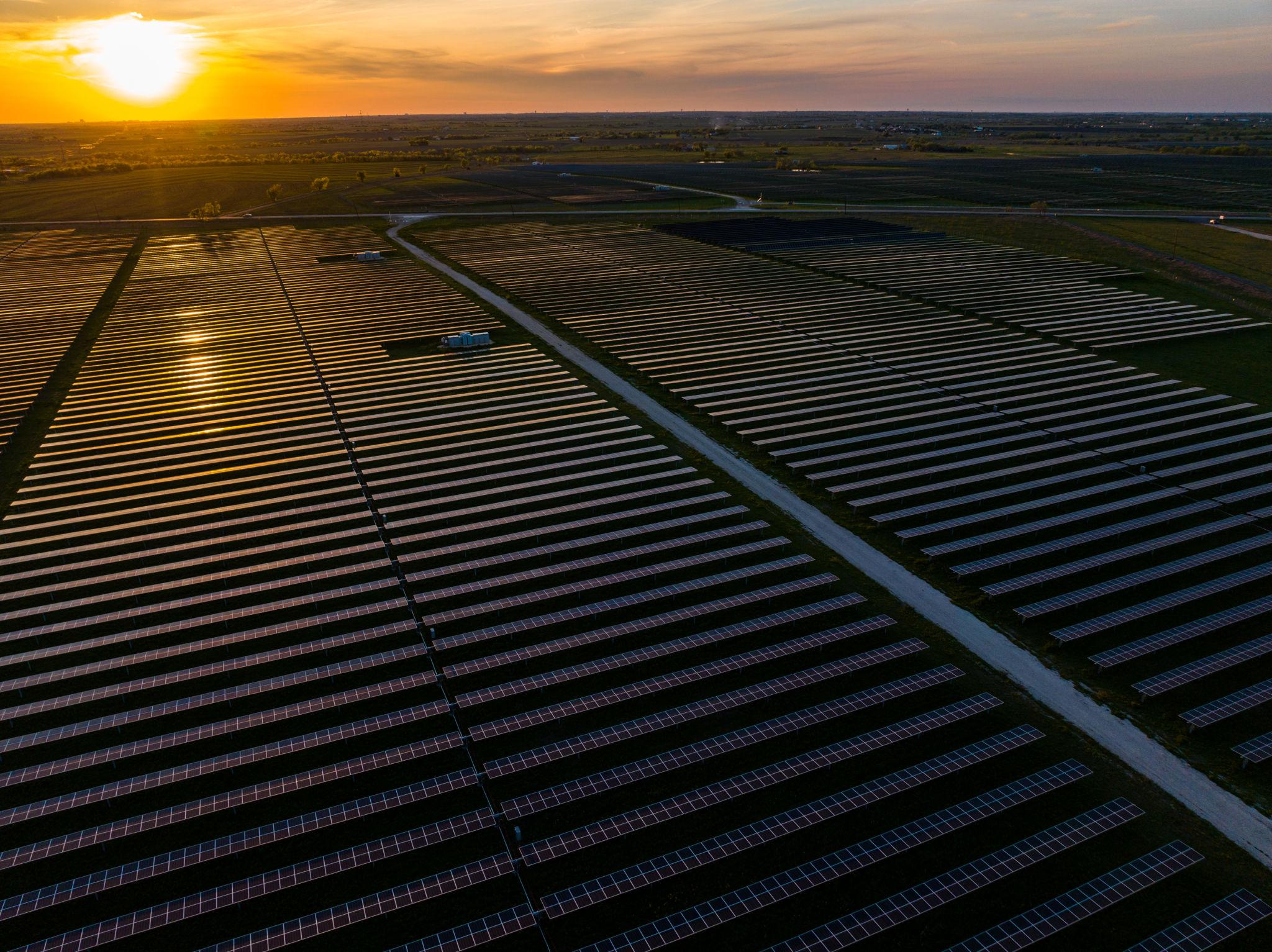
Renewable energy resources exist over wide geographical areas, in contrast to fossil fuels, which are concentrated in a limited number of countries. Deployment of renewable energy and energy efficiency technologies is resulting in significant energy security, climate change mitigation, and economic benefits. However renewables are being hindered by hundreds of billions of dollars of fossil fuel subsidies. In international public opinion surveys there is strong support for renewables such as solar power and wind power. In 2022 the International Energy Agency asked countries to solve policy, regulatory, permitting and financing obstacles to adding more renewables, to have a better chance of reaching net zero carbon emissions by 2050.
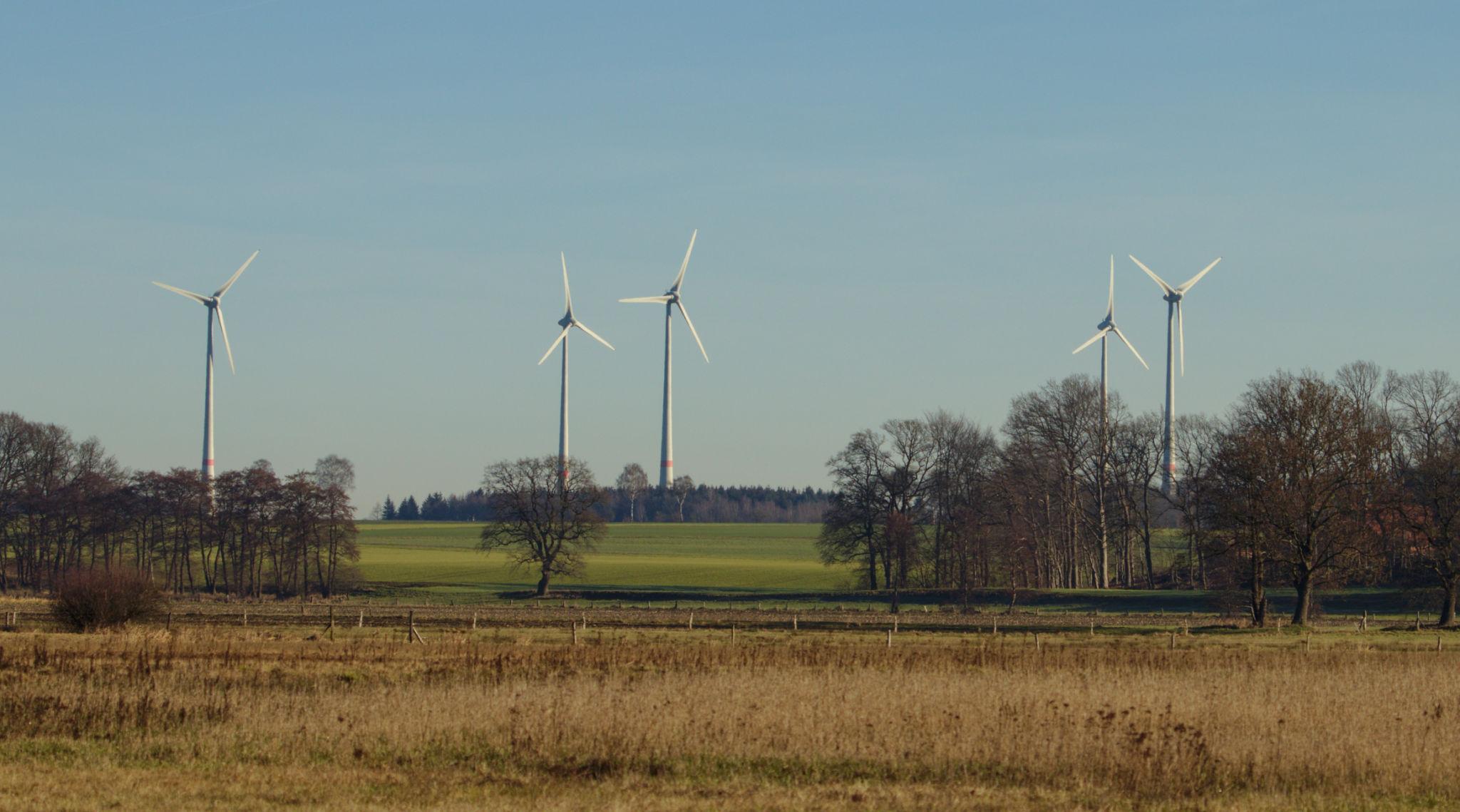
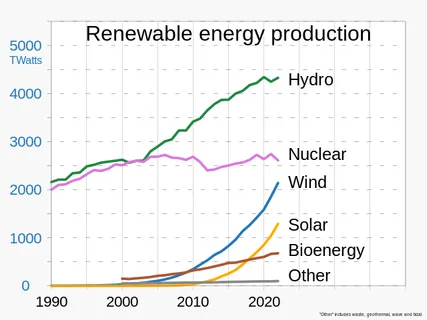
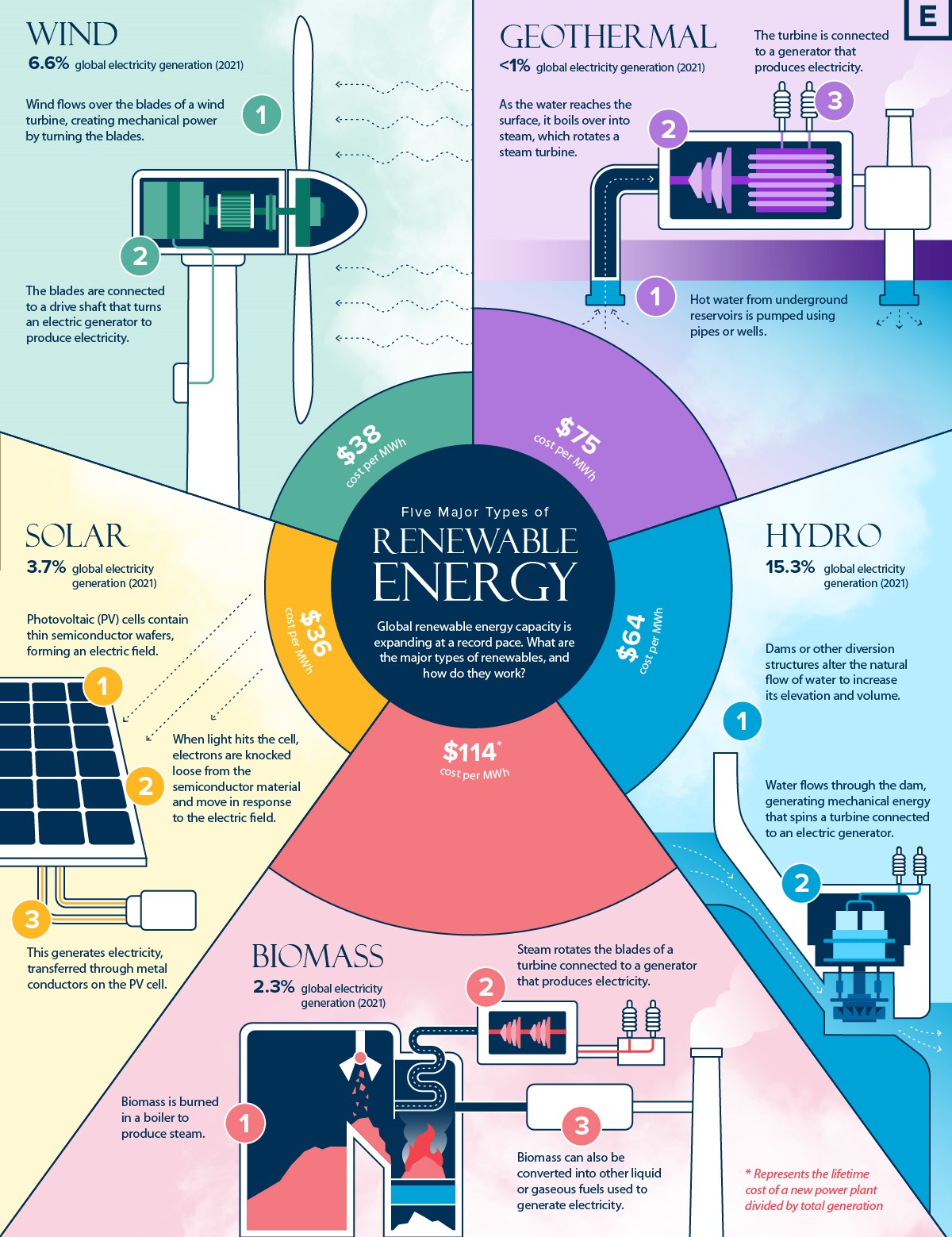
Renewable energy is often deployed together with further electrification, which has several benefits: electricity can move heat or objects efficiently, and is clean at the point of consumption. From 2011 to 2021, renewable energy grew from 20% to 28% of global electricity supply. Use of fossil energy shrank from 68% to 62%, and nuclear from 12% to 10%. The share of hydropower decreased from 16% to 15% while power from sun and wind increased from 2% to 10%. Biomass and geothermal energy grew from 2% to 3%. There are 3,146 gigawatts installed in 135 countries, while 156 countries have laws regulating the renewable energy sector. In 2021, China accounted for almost half of the global increase in renewable electricity.
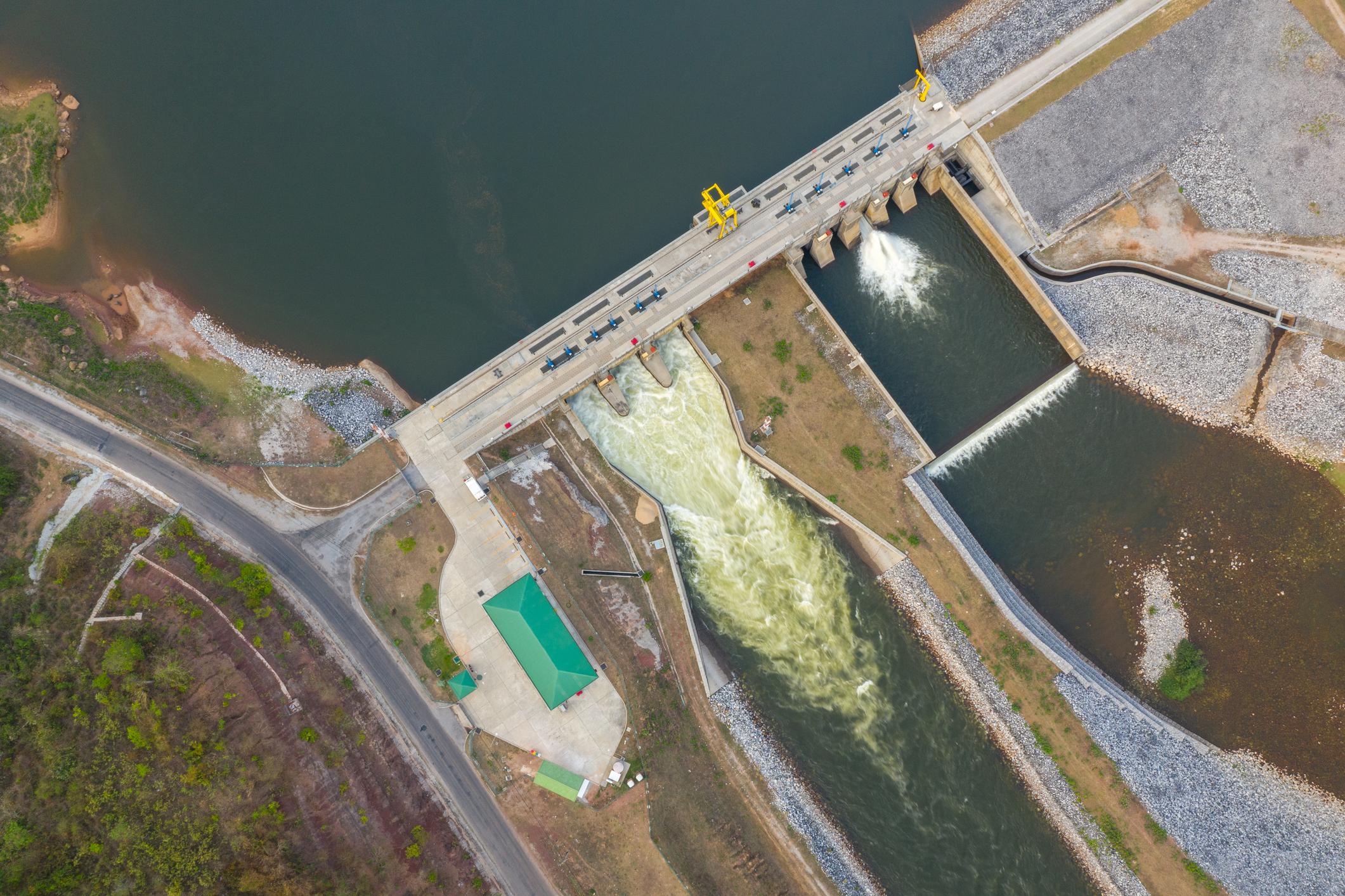
Advancements in technology, declining installation costs, and growing public awareness have accelerated renewable adoption worldwide. From large-scale solar and wind farms to community-level hydro and biomass projects, renewable energy is reshaping how electricity is produced, distributed, and consumed in the 21st century.
As nations pursue sustainable development and carbon-neutral goals, renewable energy stands at the center of a cleaner, more resilient, and economically stable global future.