
Clean, abundant, and sustainable energy for a brighter future.
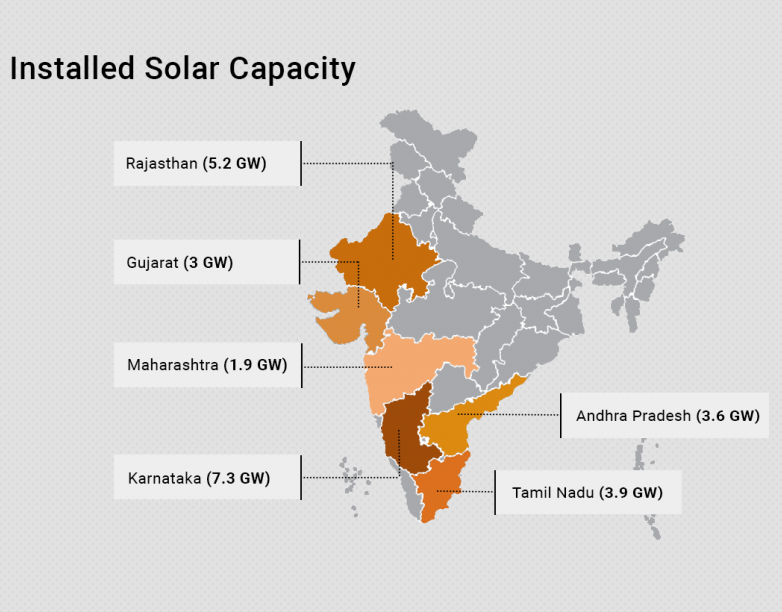
Solar energy, derived from the radiant light and heat of the sun, plays a central role in the global transition toward sustainable and environmentally friendly power generation. Photovoltaic cells convert sunlight directly into electricity, while solar thermal technologies capture heat for domestic, industrial, and utility-scale applications.
One of solar energy’s greatest strengths is its limitless availability. Unlike fossil fuels, the sun provides a continuous and abundant energy supply, making solar power a dependable long-term solution. Its operation produces minimal pollution, helping reduce greenhouse gas emissions and combat climate change.
Economic benefits are also significant. Declining solar panel costs and technological advancements have made solar installations increasingly affordable for households, businesses, and governments. The solar industry generates employment, stimulates innovation, and strengthens national energy independence.

Solar systems can operate at multiple scales — from rooftop installations to vast solar farms — allowing flexible deployment across diverse geographic regions. In remote or underserved communities, solar energy provides reliable electricity access and improves overall quality of life while enhancing grid resilience.
Overall, solar energy represents one of the most promising pathways toward a clean and sustainable future. Its abundance, environmental advantages, falling costs, and wide applicability position it as a cornerstone of the modern renewable energy revolution.