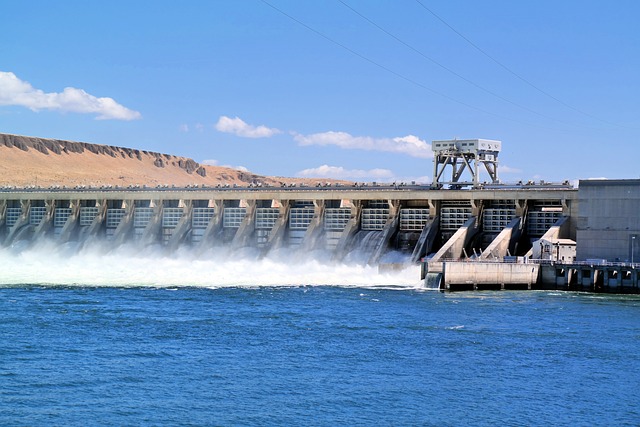
Clean, reliable, and long-lasting renewable electricity from rivers and dams.
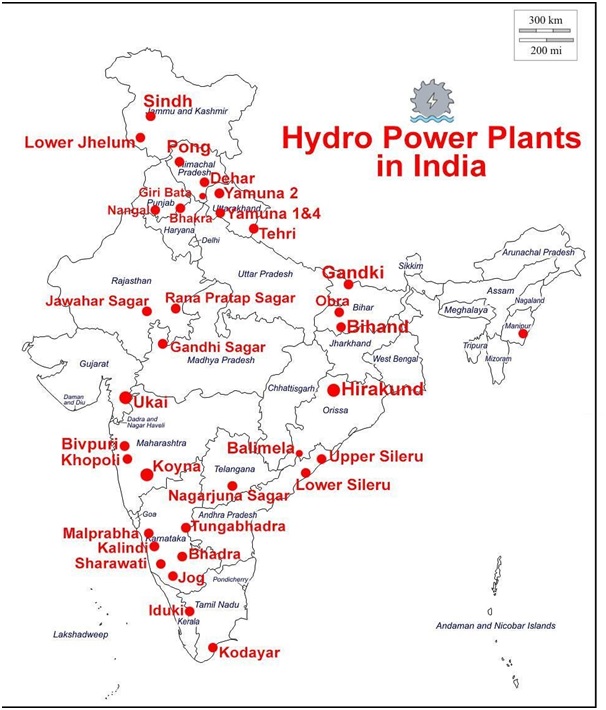
Hydroelectric energy harnesses the kinetic force of flowing or falling water to generate electricity. By directing water through turbines connected to generators, hydroelectric plants convert natural motion into reliable electrical power, making hydropower one of the oldest and most established renewable energy technologies in the world.
A major strength of hydropower is its efficiency and consistency. Unlike intermittent renewable sources such as solar and wind, water flow can be regulated to deliver steady electricity, making hydroelectric dams valuable providers of continuous baseload power.
Hydropower systems range from small run-of-the-river installations to massive reservoir-based dams. Run-of-the-river projects reduce environmental impact by using natural river flow, while large reservoirs offer additional benefits such as flood control, irrigation, and water storage.
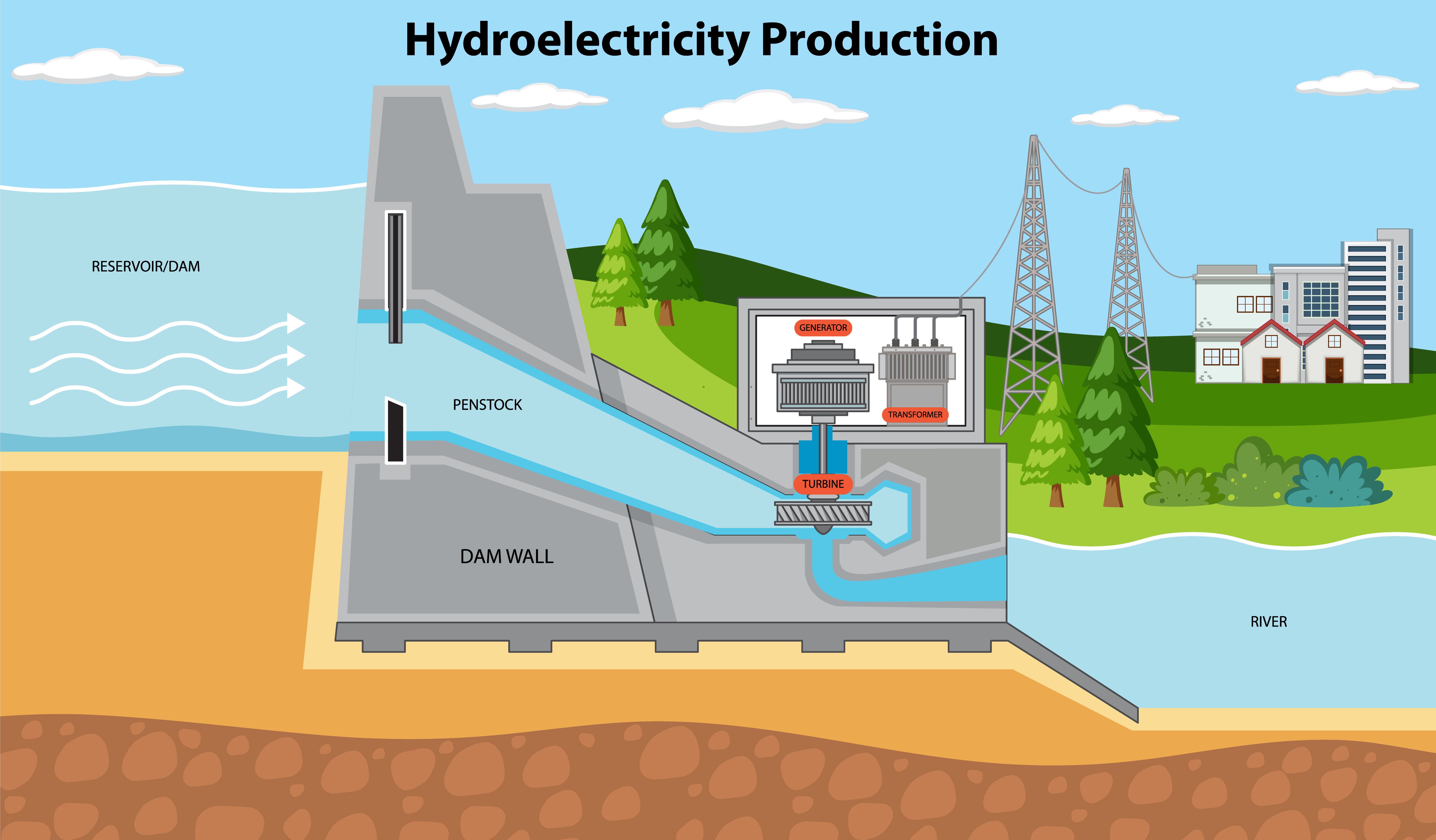
Environmental planning plays a crucial role in hydroelectric development. Although dam construction can influence ecosystems and biodiversity, responsible design and mitigation strategies help minimize negative impacts. Hydropower also produces electricity without direct greenhouse gas emissions, supporting global climate-change reduction goals.
Another key advantage is durability. Hydroelectric facilities can operate for many decades with proper maintenance, providing long-term, stable energy generation and strong economic value for nations investing in renewable infrastructure.
Overall, hydroelectric energy remains a cornerstone of the global renewable transition. Its reliability, efficiency, and multi-purpose benefits ensure it will continue playing a central role in building a cleaner and more sustainable energy future.